Walking 400 kilometers with one interactive map: Het Ziltepad
Written by
Aljan Scholtens
on
28 April 2026
Anyone walking Het Ziltepad passes dikes, salt marshes, villages, and old churches. The landscape keeps changing, and so do the conditions along the way. That is exactly why a long-distance route like this benefits from one place where everything comes together.
Het Ziltepad is an initiative by Groninger Kerken and Stichting Alde Fryske Tsjerken, in collaboration with Visit Wadden. Since April 1, 2026, walkers have been able to cover more than 400 kilometers from Den Helder to Termunten. The route consists of 22 stages and 22 circular walks. Along the way, they discover not only the UNESCO World Heritage Wadden Sea, but also small villages, personal stories, and churches where they can sometimes even stay overnight.
From stage booklets to one digital map
At first, Het Ziltepad mainly relied on stage booklets and printed maps. They offered guidance, but they also raised questions along the way. Can you really walk across that meadow? Is that plank over the ditch part of the route? And what happens if a stage changes temporarily because of roadworks?
Those questions became more important because Het Ziltepad passes through an area where a lot is happening. Think of dike reinforcement projects and work around the Afsluitdijk. In situations like that, you want to inform walkers quickly and reliably, without having to keep reprinting materials.
That is why Het Ziltepad developed a digital route map together with Wolf Maps. Not as an extra layer next to the route, but as a practical tool that makes the entire journey easier to follow.
A guide that genuinely helps along the way
On the map, walkers can see exactly where they are as soon as they enable their location. That brings peace of mind on a route of this scale, especially in a wide coastal landscape where places to eat, rest, or stay overnight are not available around every corner.
That is why the map offers more than just the route itself. Walkers can also see where they can eat, drink, or stay overnight. In addition, all 22 churches include a podcast with personal stories from local residents. This makes the map more than a navigation tool. It also becomes a way to experience the landscape and the places along the route more deeply.
On the Het Ziltepad website, walkers can plan their trip with the map right beside them. And through the QR code in all 22 stage booklets, they can open that same map on their phone with ease. No app required, just the browser.
Het Ziltepad on the website
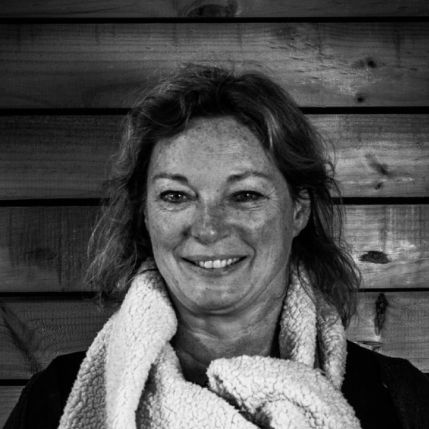
Ruth ter Voort - Het Ziltepad
We are very happy with Het Ziltepad's interactive map. Changes can be made immediately, which means the route always stays up to date for walkers. The map also gives a clear overview along the way, without requiring an app.
Always up to date, behind the scenes as well
For route managers, staying current matters most. Temporary diversions and changes go live right away. That keeps the map useful even when conditions along the route change.
Wolf Maps is also connected to data sources from tourism organizations such as Merk Fryslân, Marketing Groningen, and Kop van Noord-Holland. That automatically creates a more complete overview of rest stops, accommodation, and hospitality along the route. It reduces maintenance work and helps ensure walkers set off with up-to-date information.
Helping walkers improve the route
The map does not only work one way, from organization to visitor, but the other way around as well. Walkers can share suggestions and feedback along the route. Think of a road closure, an unclear section of the route, or a place that is still missing.
That allows the map to keep improving based on what happens outdoors. Not just for the route managers of Het Ziltepad, but also for the next walker.
Het Ziltepad on mobile
Insight into usage, without extra hassle
Through the dashboard, Het Ziltepad can see how the map is being used. Which stages are viewed most often? How often are QR codes scanned? How long do walkers stay on the map on average? And which places along the route are consulted most?
Those insights help improve both the route and the communication around it. Everything remains GDPR-compliant, without making the map heavier or more complicated for users.
A route that can grow over time
Het Ziltepad is already looking ahead. There are plans to potentially extend the route along the Wadden coast toward Germany and Denmark. A digital map can easily grow with that. New stages, extra features, and updates can simply be added online.
This case shows clearly what an interactive map can mean for long-distance routes: less scattered information, more peace of mind along the way, and a route that stays up to date without adding friction for walkers or route managers.



 Ruth ter Voort - Het Ziltepad


